
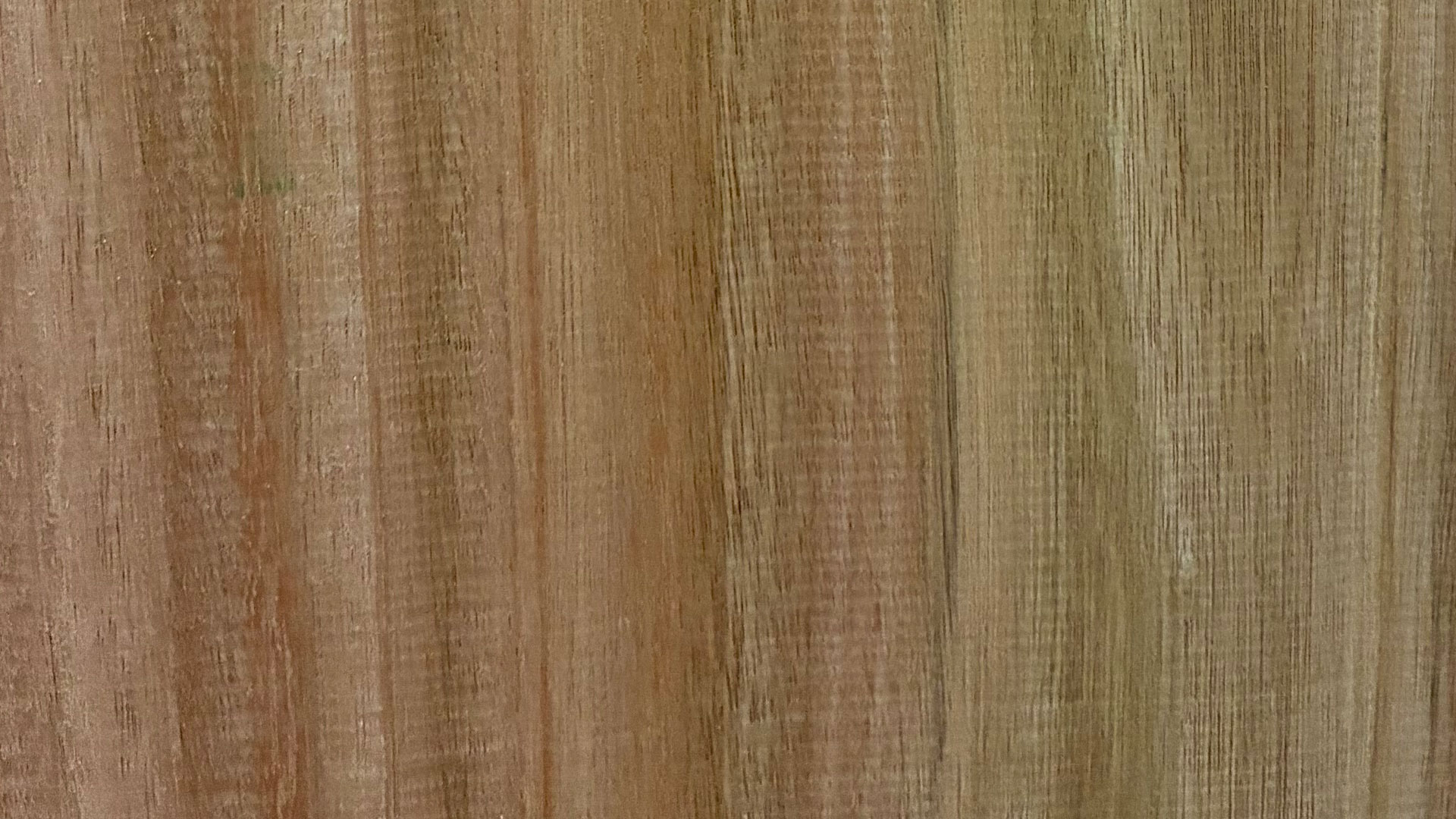
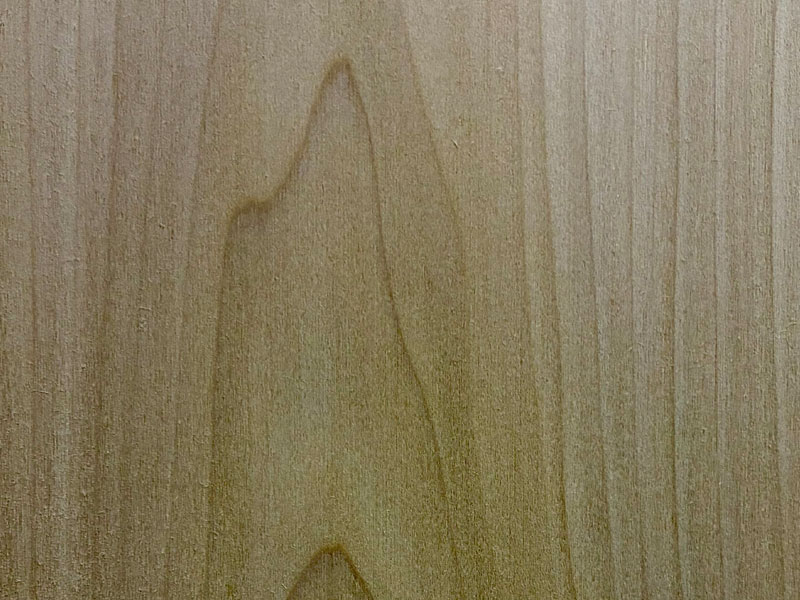
From the rustic allure of Alder to the natural beauty of Ebony, we aim to have the perfect hardwood solution for your project. With over 20 in-stock options for those who are looking for durable functionality as well as those who are looking for the all-natural, eye-catching beauty that wood has to offer. Almost all our lumber is Select-Grade and Kiln-Dried to ensure the highest quality material for our customers. See below for our most popular items.
Most species are available to purchase as rough-cut lumber or can be additionally milled to match your needs as follows:
- "S1S" (Surfaced One Side): One Straight Edge
- "S2S" (Surfaced Two Sides):Top and Bottom Facesare Surfaced
- "S3S" (Surfaced Three Sides): Top and Bottom Faces are Surfaced with One Straight Edge
- "S4S" (Surfaced Four Sides): Fully Dimensioned Boards; Either available in Standard Nominal Sizes, or milled to your exact Specifications
Price-range is indicated by "$" as the lowest and "$$$$" as the most expensive. Click on each image to enlarge.
Looking for something that is not listed below? Contact us and we will be happy to check with our network of suppliers to see if we can locate exactly what you need.
Our Most Popular Items
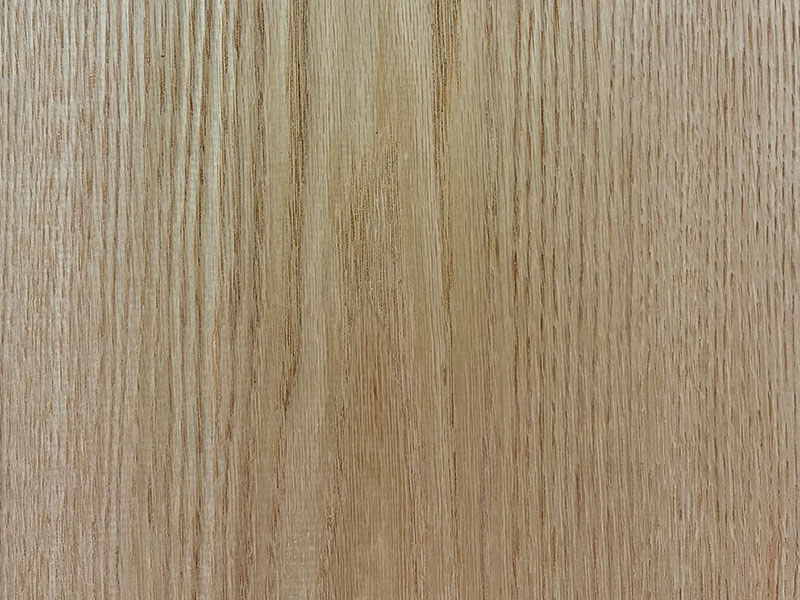
Red Oak - $
This hardwoodwood is commonly used in everything from furniture to millwork. Natural colors range from light tan to pink or even deeper red colors. Known for its prominent grain patterns, the open-grain nature of this wood makes it easy to get even coloring when using woodstains.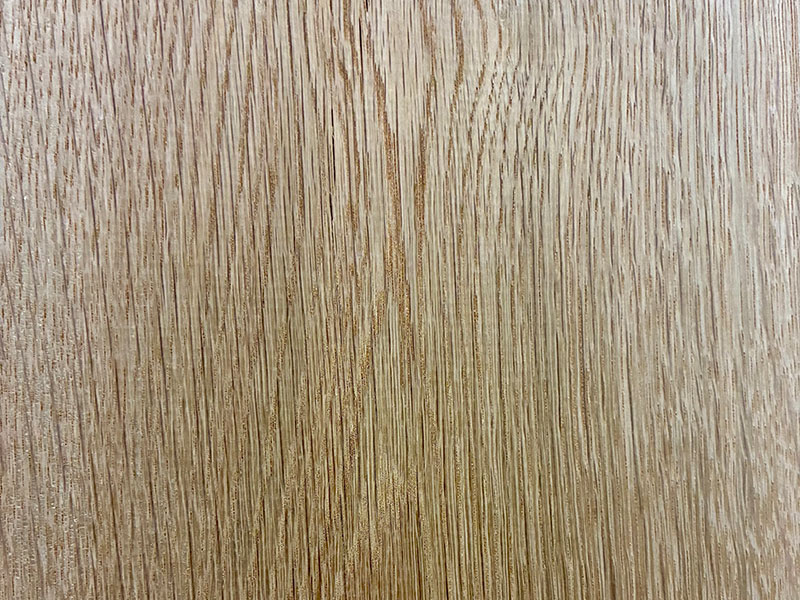
White Oak - $$
Currently a very popular wood in modern design due to it's rich natural tan and brown colors. White Oak's grain patterns are similar to it's cousin, Red Oak, but with a much tighter grain. It's current market value reflects increased demand in contrast to the (relatively) limited supply available.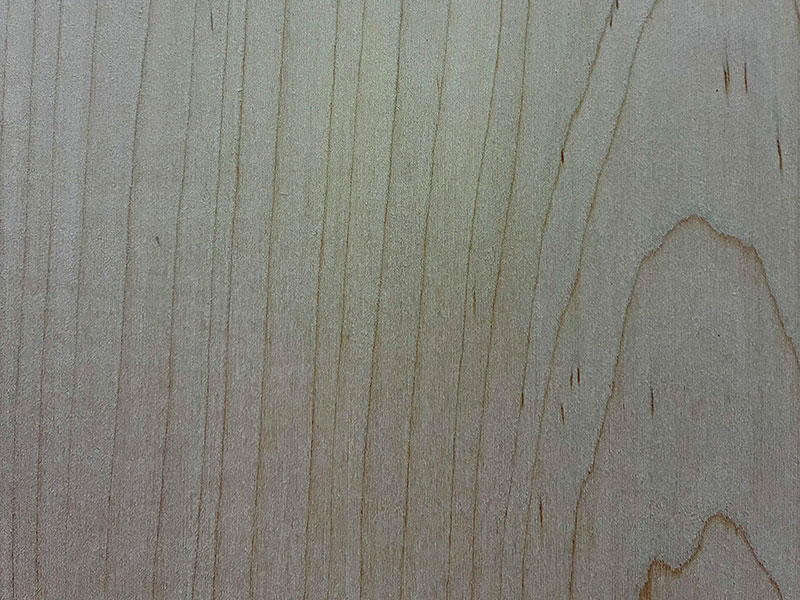
Soft Maple - $$
Don't let the name fool you, this hardwood is commonly used in cabinetry and furniture projects due to it's strength and stability. The overall color of the wood tends to be light, almost white with occasional dark streaks. The nonporous nature of this wood make it possible to acheive even, smooth painted finishes, though getting it to stain dark colors evenly can be tricky.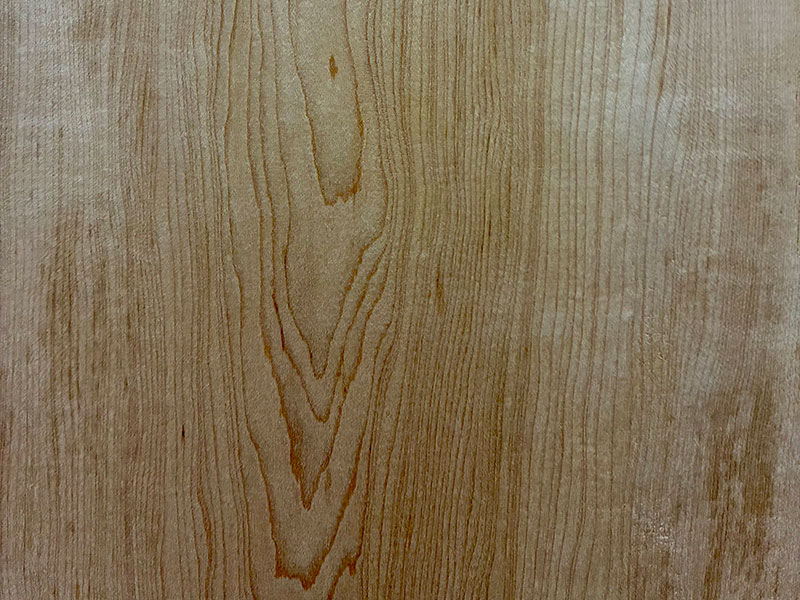
Hard Maple - $$
Very similar in apperance to its "cousin," Soft Maple, Hard Maple tends to have slightly more yellow pigment in its natural appearance. Due to it's natural density and hardness, it is commonly used in high-use situations such as work benches, butcher-block countertops, and cutting boards, and flooring.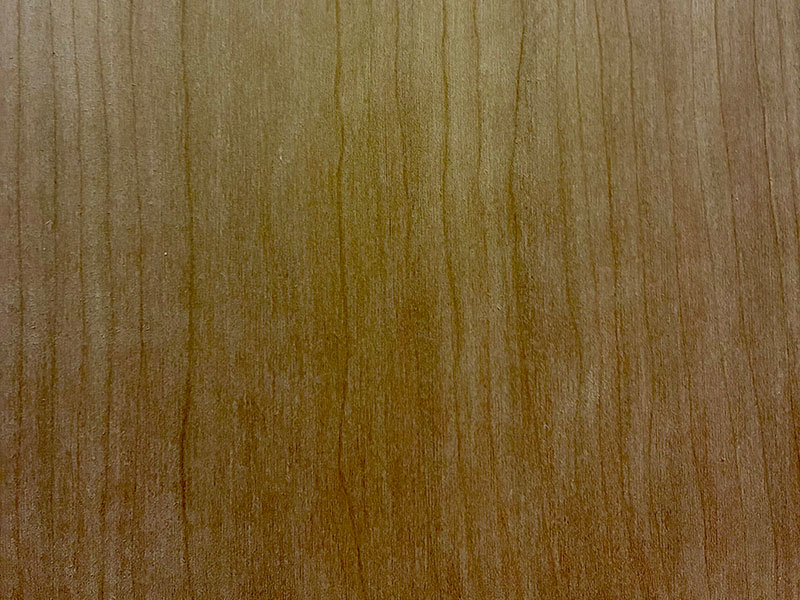
Cherry - $$
This beautiful wood is a classic furniture wood. Also commonly used as flooring and millwork, Cherry is known for having pink to red heartwood that contrasts with its pale sapwood. Expect the heartwood to darken with age, even after being finished.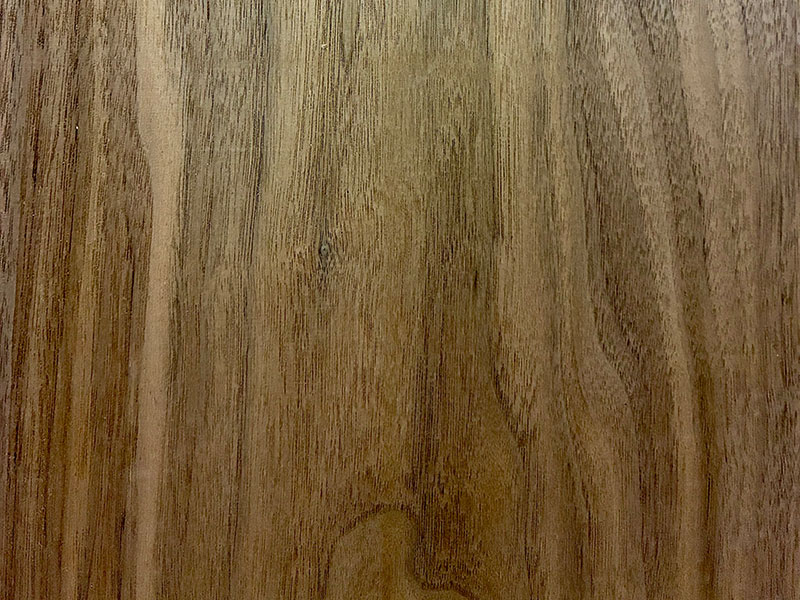
Walnut - $$$
Highly valued for its rich, dark colors. Walnut is a poplular wood in high-end cabinetry and furniture-making. The heartwood has a beautiful chocolatey-brown color that contrasts vividly with the creamy white of its sapwood. Expect narrower widths with a higher level of defect compared to other hardwoods of a similar grade.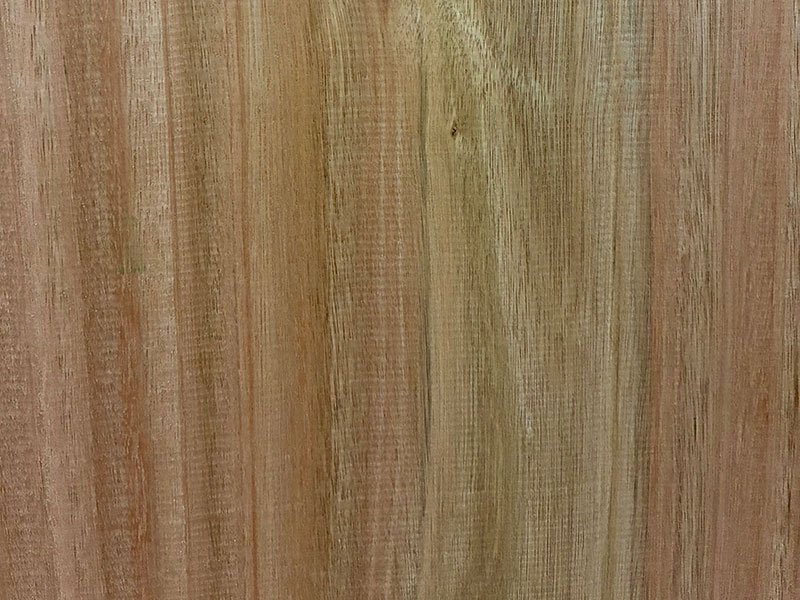
Red Grandis - $$
This plantation grown, sustainably harvested hardwood is a Eucalyptus subspecies. The heartwood is a pale pink to red in color, with grey or whitish sapwood. Good for outdoor projects due to it's natural rot resistance.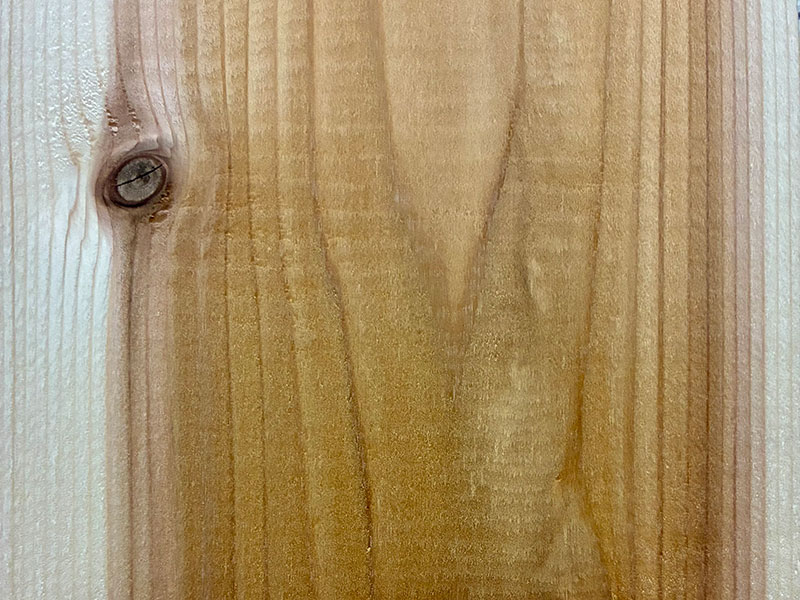
Western Red Cedar - $
Prominetly used for exterior Trim, Siding and Furniture. Western Red Cedar (WRC) is both light-weight and naturally rot-resistent. Heartwood ranges from dark red to lighter pinks, whereas the Sapwood is a light cream color. WRC is most commonly sourced in various sizes of 1x and 2x material. Also available in additional products such as 4x4, Siding, Shingles, and Timbers.
Other Commonly Sourced Domestics
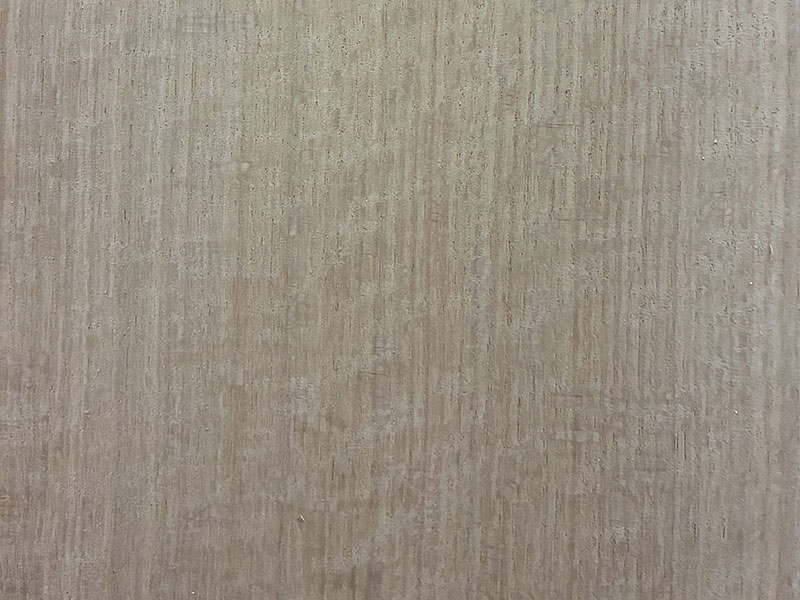
Quarter Sawn Red Oak - $$
The same specie as "regular" (flatsawn) Red Oak, only cut in way so that the grain runs in straight, vertical lines over the length of the boards. Quartersawn Oaks have the added asethetic of producing ray flecking (lighter colored specks) when cut in this manner, which add a striking visual element to the wood. A classic lumber for furniture making.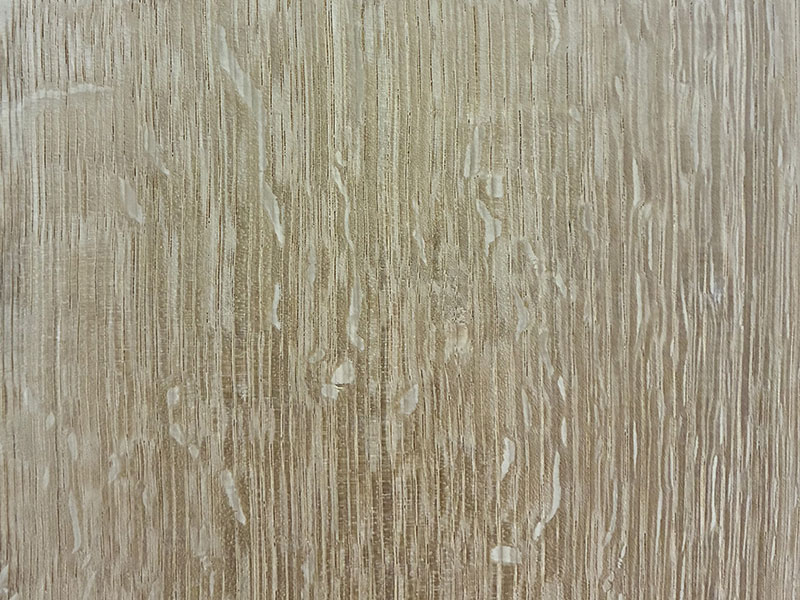
Quarter Sawn White Oak - $$$
See the above description for Quartersawn Red Oak for a brief explanation on the differences between regular (flatsawn) and quartersawn lumber. Quartersawn White Oak is commonly used in cabinetry, furniture-making and flooring due to its visually striking appearance. Due to the additional waste incurred in the milling process, quartersawn lumbers typically have a higher price-point than their flatsawn counterparts.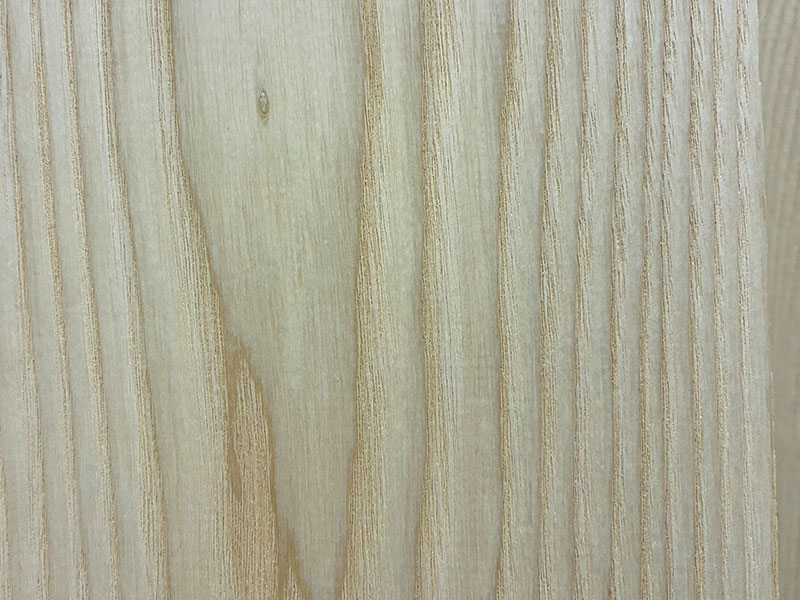
Ash - $$
See the above description for Quartersawn Red Oak for a brief explanation on the differences between regular (flatsawn) and quartersawn lumber. Quartersawn White Oak is commonly used in cabinetry, furniture-making and flooring due to its visually striking appearance. Due to the additional waste incurred in the milling process, quartersawn lumbers typically have a higher price-point than their flatsawn counterparts.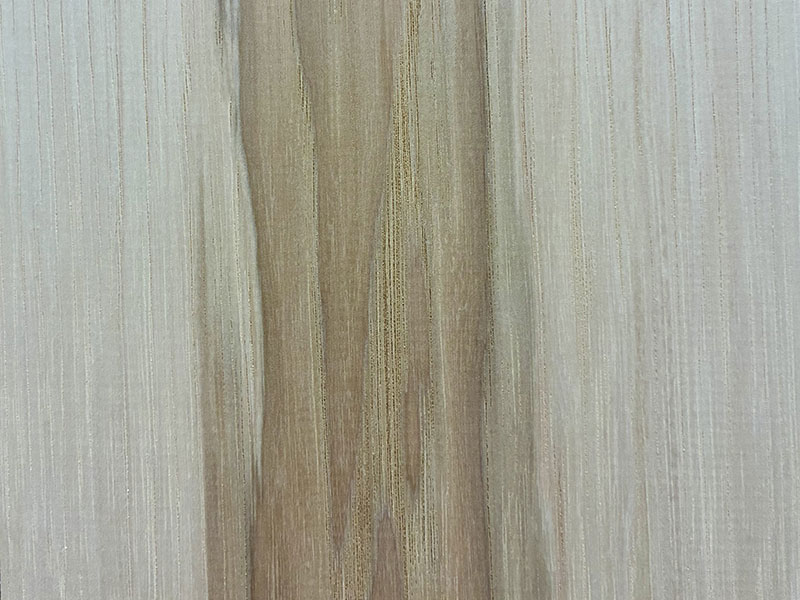
Hickory - $$
Hickory is a great wood for people who like a lot of natural variance in their wood. Recognizable by the sharp contrast between the light tan of its sapwood to the darker browns of its heartwood, Hickory has an overall striking appearance when used in cabinetry, flooring, furniture, and other woodworking projects. Hickory can be somewhat difficult to work with due to how hard and dense the wood is, but this trait also makes the wood extremely durable.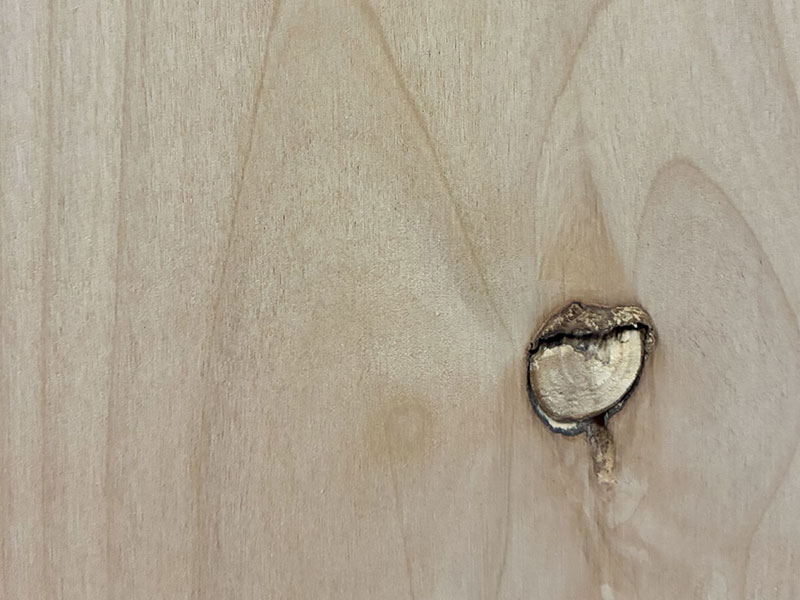
Knotty Alder - $
Commonly bought and sold in a tight-knot grade, Alder is a cool alternative to a knotty pine for people who want a rustic look for their millwork, cabinetry and other projects. While not the hardest of hardwoods, it is more durable than most pines.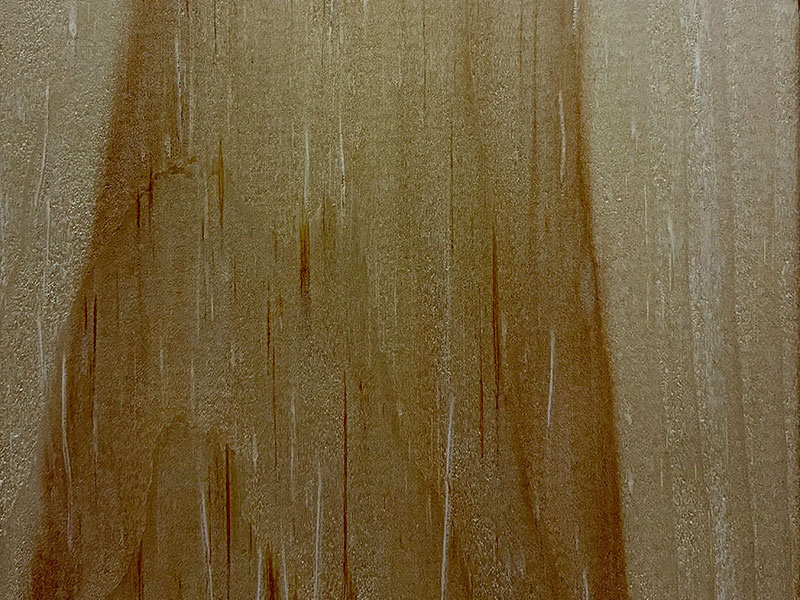
Clear Eastern White Pine - $$
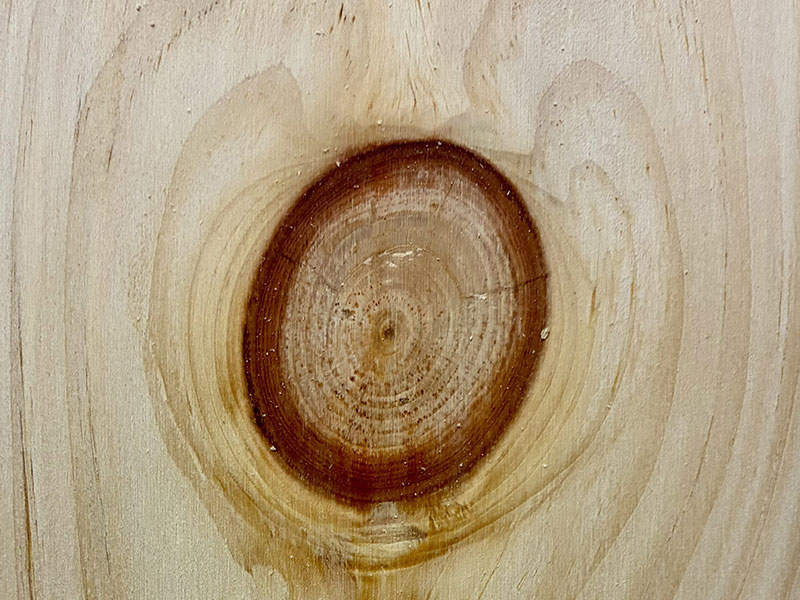
Knotty White Pine - $
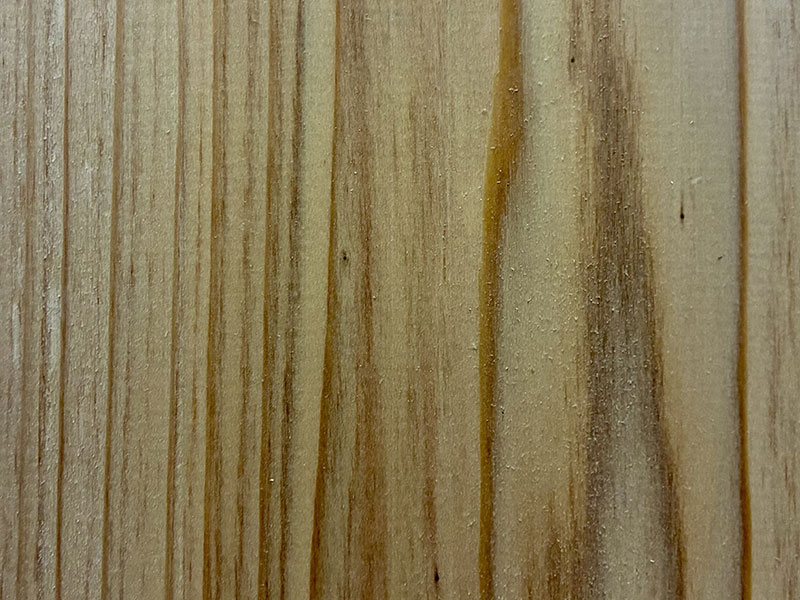
Clear Yellow Pine - $$
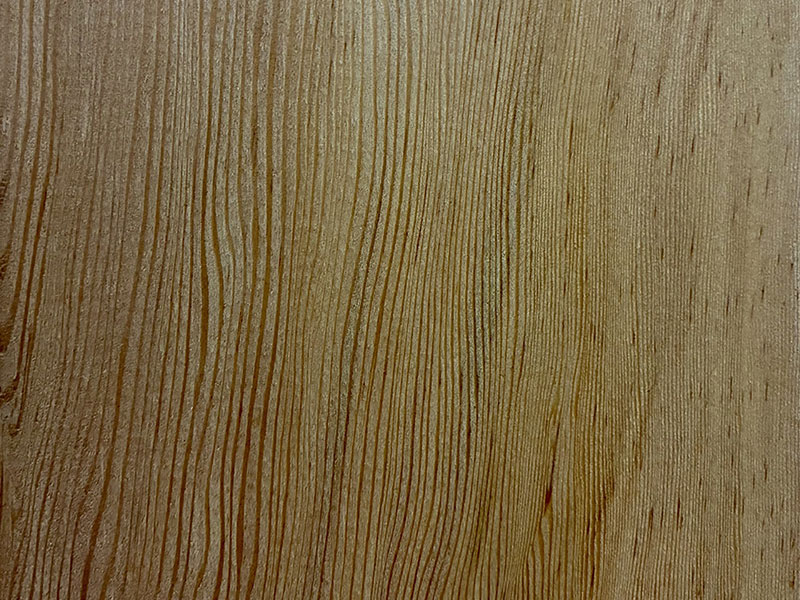
Vertical Grain Douglas Fir - $$$
Other Commonly Imported Hardwoods
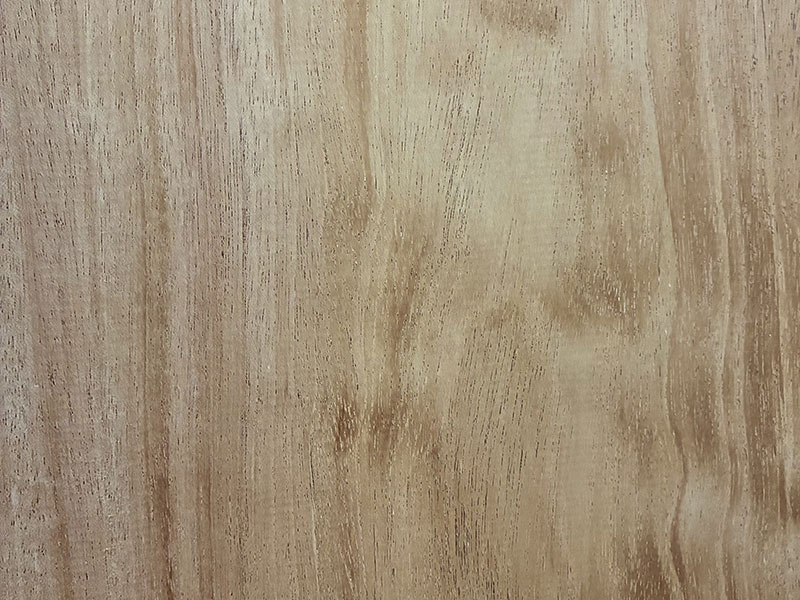
African Mahogany - $$
Coloring typically ranges from an orangey-tan to darker browns with subtle grain patterns. Extremely similar in appearance to Genuine Mahogany (South American), but with a more reasonable price tag. It is not uncommon to find wider than average material due to the size of the trees being harvested. This wood is good for both traditional furniture projects, as well as being a suitable option for exterior uses.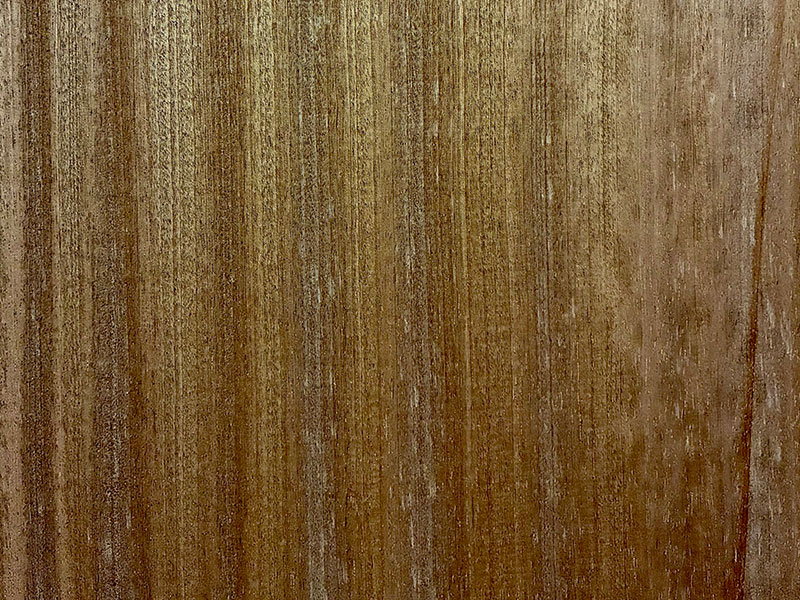
Sapele - $$
Sapele has very similar graining and appearance to the mahogany family of woods, however, the natural color of the wood is typically darker, ranging from deep tans to chocolate-y brown. Sapele differs slightly from a true Mahogany in that it tends to be both denser and stiffer. Typical applications for Sapele are very similar to Mahogany as well; well-suited for furniture projects and various exterior applications.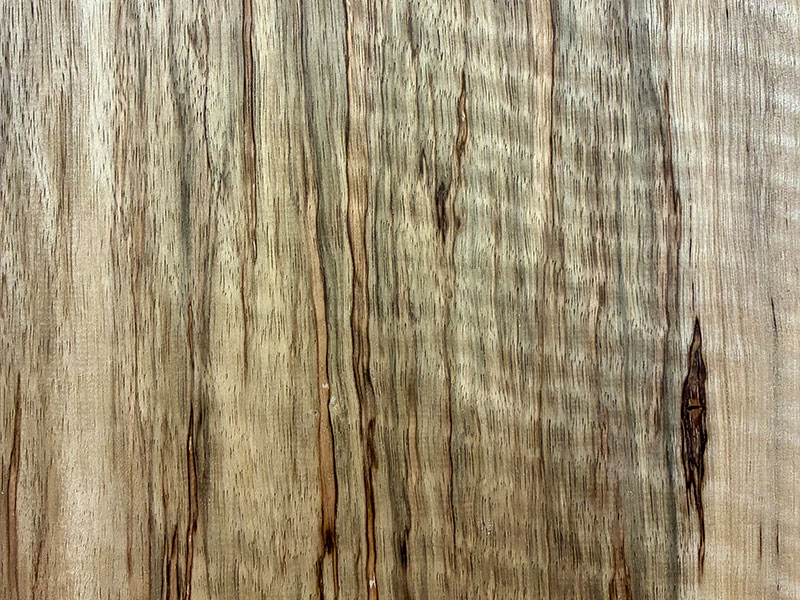
Black Limba - $$
Black Limba's pale color is complimented by dark streaking throughout the wood, with occasional streaks of more vibrant reds and oranges. A naturally stable wood, it is well-suited to any project where a unique, high-variance look is wanted. Also famously used in the production of electric guitars.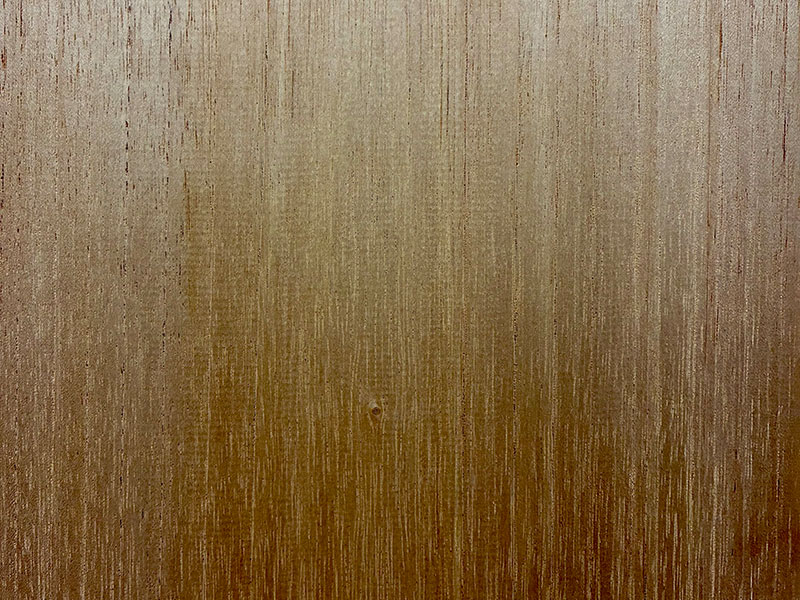
Spanish Cedar - $$
This light-weight wood has a beautiful tan color and graining that bear a resemblance to certain species of Mahogany. Its most characteristic feature is actually its distinct fragrance. Most famously used as the interior lining for Cigar Humidors, Spanish Cedar is also commonly used for various exterior architecural components.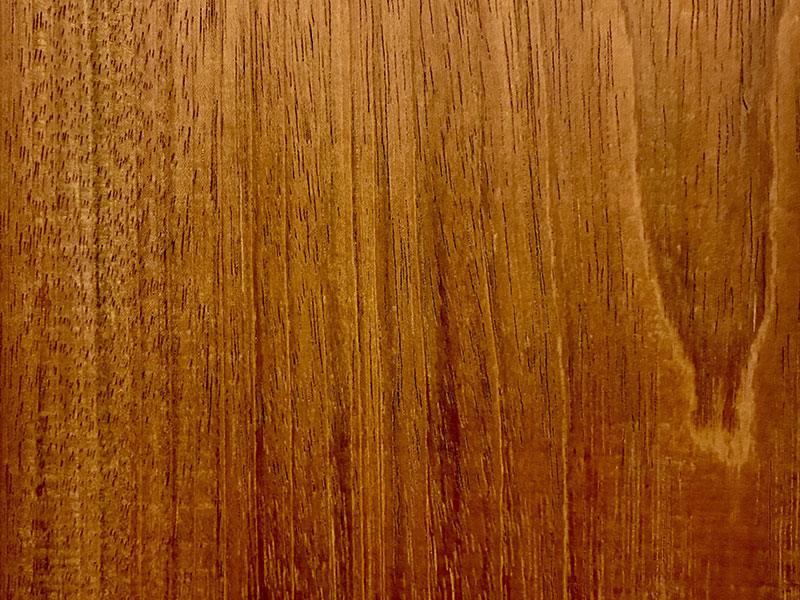
Brazilian Cherry - $$
Also known as Jatoba, Brazilian Cherry is an extremely hard and durable wood. Its dark red color makes it a a great wood to use as an accent in furniture, cutting boards, and various other wood-working projects. Its strength and durability also lend it to being commonly used as an exotic flooring option as well.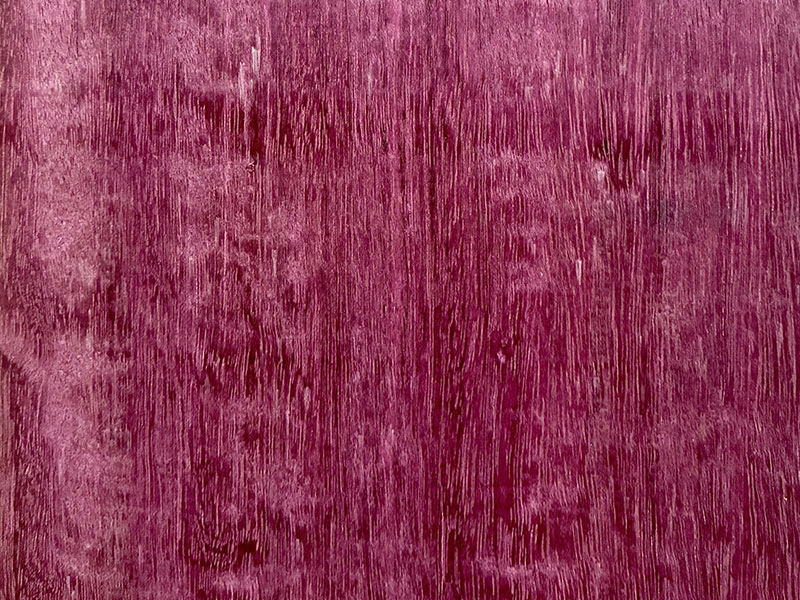
Purpleheart - $$$
Purpleheart, as implied by it's name, has a natural purple color that has to be seen to be seen to be believed. As with most tropical hardwoods, Purpleheart is denser than most domestic hardwoods and tends to have an increased blunting effect on tooling. However, woodworkers looking to add a natural splash of color and vibrancy to their projects typically find Purpleheart well worth any additional difficulty it might take to process the lumber.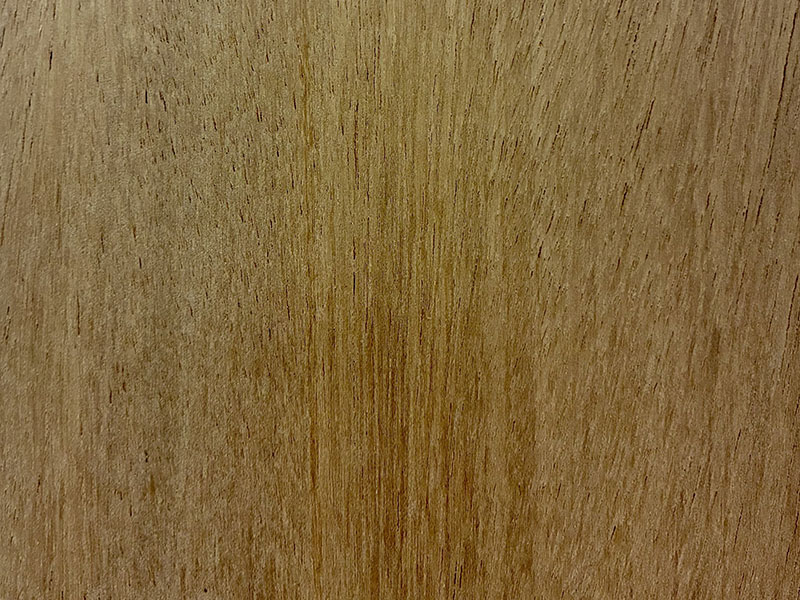
Tatajuba - $$
Tatajuba is initially a rich yellow upon milling, but eventually darkens to deep honey color. This wood machines and finishes well despite its relative hardness. Its combination of durability and natural rot resistance makes it an excellent choice for exterior furniture.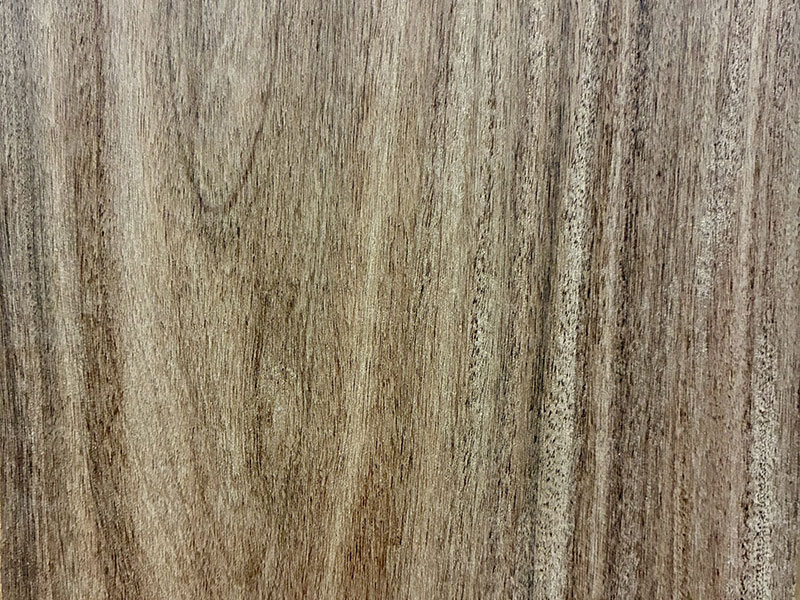
Bolivian Rosewood - $$$$
Also known as Morado, Bolivian Rosewood, is a luxurious-looking hardwood that is commonly used in fine-woodworking projects as well as components for musical intruments. An extremely dense wood with natural oils that can make gluing tricky, this wood is known to finish to a high level of polish. Caution is advised when working with this wood, as some people report having a moderate to severe allergic reaction to the sawdust.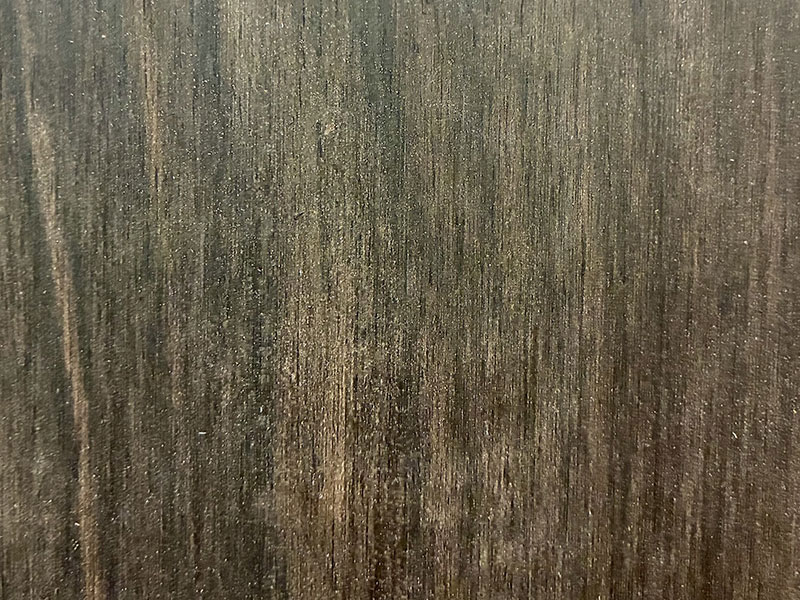
Macassar Ebony - $$$$
Extremely dark in color with lighter streaks found throught the wood. Macassar Ebony, like other other ebonies, is one of the hardest woods in the world. Most commonly used as an accent or inlay in fine woodworking projects, Macassar also sees use as a material used in the production of musical instruments, such as guitars. Stock is short and narrow on average.